
Snowmelt Systems in Evergreen, CO
Colorado winter can turn a driveway or walkway into a daily job. Sinrom Construction designs and installs hydronic snowmelt systems that use radiant heat beneath exterior surfaces to help melt snow and ice before they become a constant problem.
Built for mountain conditions, these systems can be designed for driveways, walkways, patios, and other exterior surfaces where safer access and less manual snow removal matter most.

Radiant Heat for Exterior Surfaces
A hydronic snowmelt system works on the same basic radiant-heating principle used indoors, but it is designed for exterior surfaces. Heated fluid circulates through tubing beneath the driveway, walkway, or patio to warm the surface and help melt accumulating snow and ice.
For Evergreen homeowners, that can reduce the time spent shoveling and salting while creating more dependable access during winter weather.
- Driveway snowmelt
- Walkway and entry heating
- Patio snowmelt
- Hydronic radiant tubing
- Automatic control options
- Mountain-home system design
Why Evergreen Homeowners Consider Driveway Heating
A properly designed snowmelt system can improve winter access and reduce some of the recurring work and surface exposure associated with manual snow and ice removal.
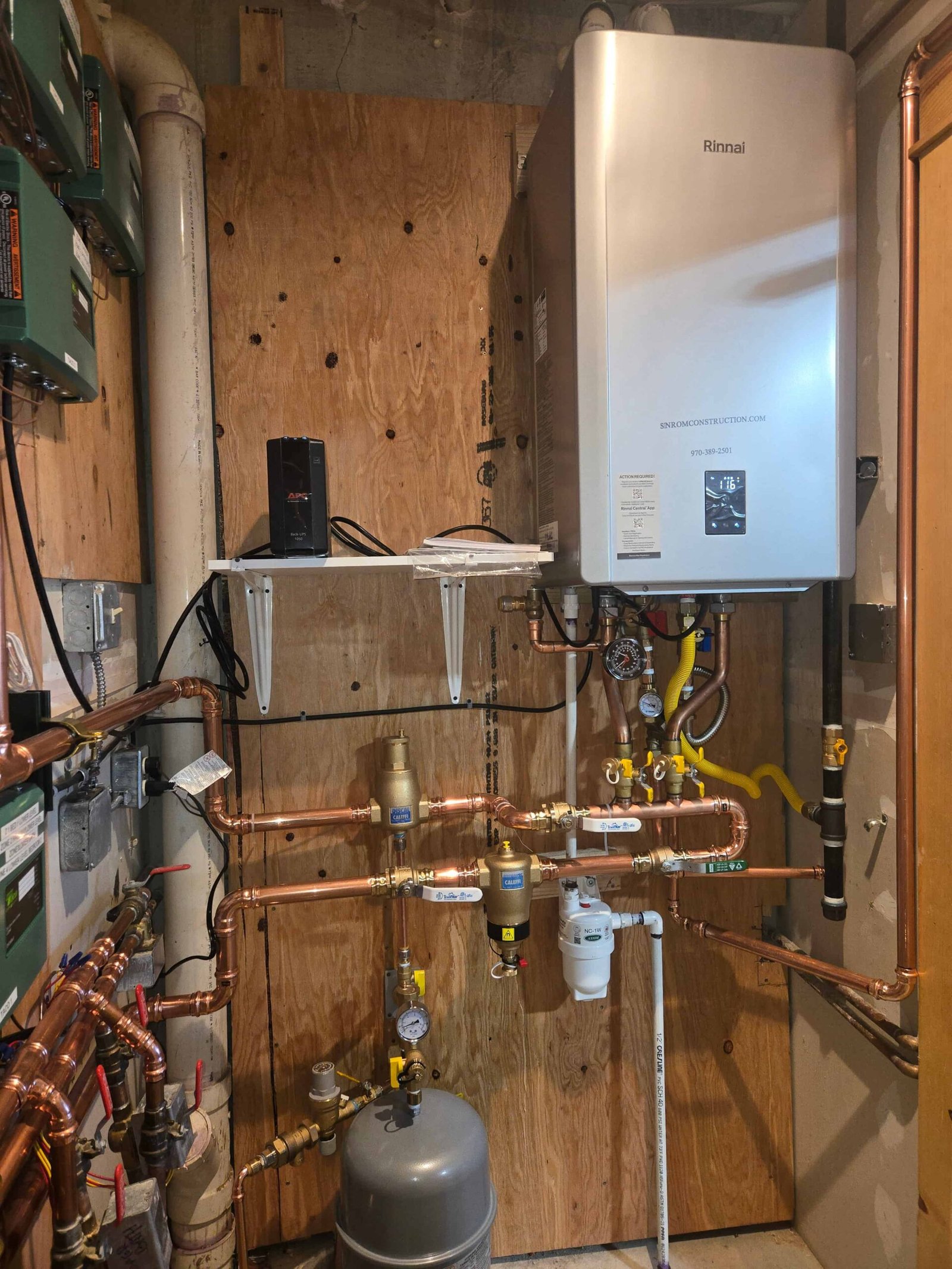
Every Site Has Different Winter Demands
Snowmelt design should start with the property, not a standard package. Driveway slope, sun exposure, elevation, heated square footage, drainage, surface material, and where runoff will go can all affect the system design.
Sinrom’s current service information emphasizes mountain conditions and states that its snowmelt systems are hydronic only. The design is planned around the site and the amount of exterior area that actually needs to stay clear.
- Hydronic-only system design
- Driveway slope evaluation
- Sun and shade exposure
- Elevation considerations
- Surface and subbase planning
- Drainage and runoff planning
Snowmelt Installation Step by Step
The current Sinrom page describes a five-stage process beginning with the site and ending with system testing and homeowner orientation.
Review the driveway or walkway, slope, access, existing conditions, heated area, and project goals.
Plan the hydronic layout based on heated square footage, surface material, energy needs, and site conditions.
Prepare the subbase, install the radiant tubing, and coordinate the finished surface or repaving work.
Install appropriate controls and sensors, then test the system and zones for proper operation.
Review system operation, winter expectations, controls, and ongoing maintenance with the homeowner.
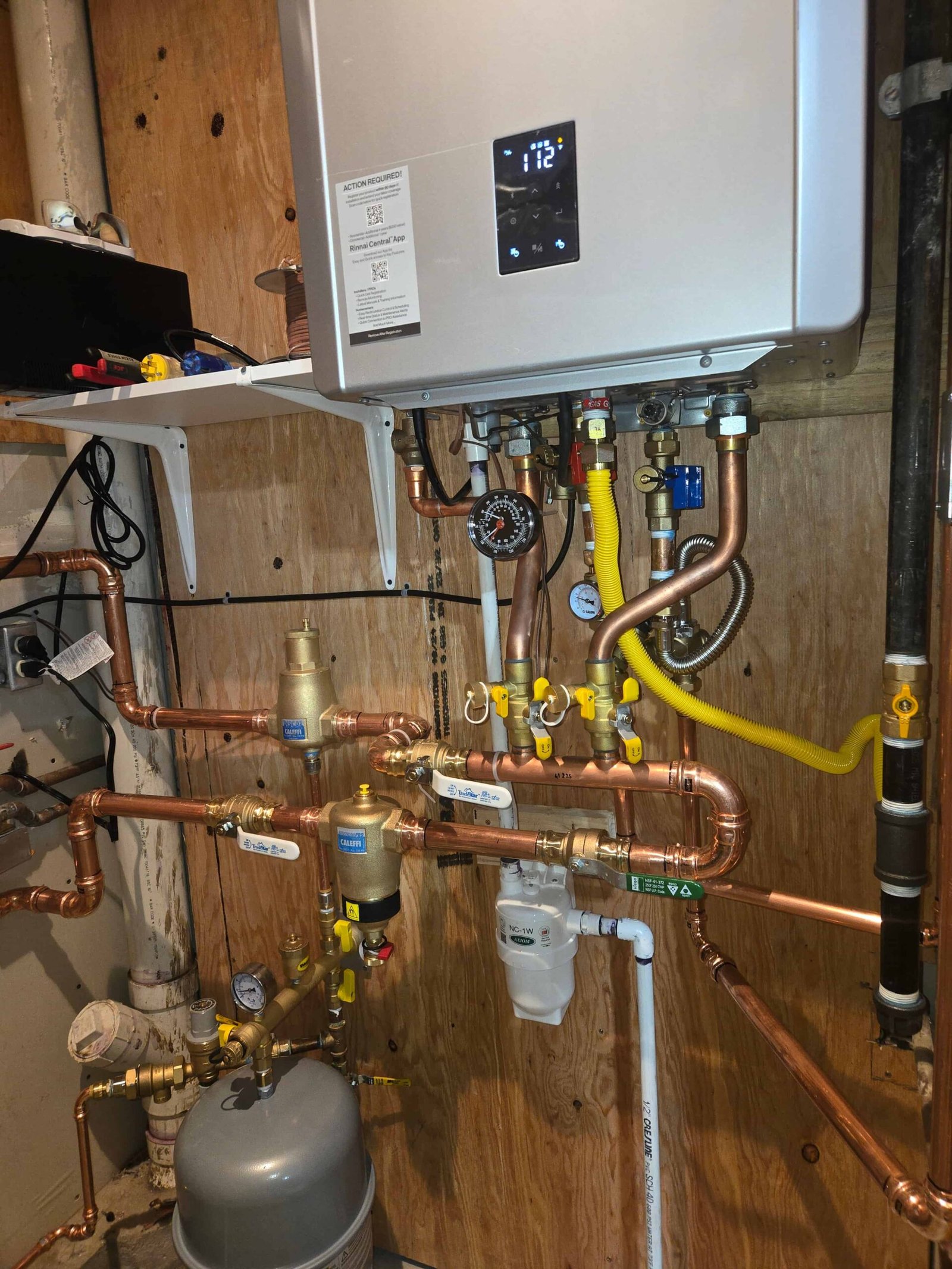
You Don’t Always Need to Heat Everything
A snowmelt system does not necessarily have to cover the entire driveway. Sinrom’s current FAQ notes that homeowners can choose to heat only tire tracks, a walkway, an entry area, or another priority zone.
Selective heating can help focus the project on the areas where snow and ice create the biggest inconvenience or safety concern. The appropriate layout depends on the site, drainage, surface, and how the property is used.
- Tire-track heating
- Walkways and entry paths
- Priority driveway zones
- Patios and access areas
- Zone-based system planning
- Drainage-conscious layouts
Built by a Mountain Contractor
Sinrom’s current snowmelt page emphasizes direct project involvement, local mountain experience, transparent project scope, and follow-through from design through final testing.
Stop Making the Driveway a Daily Winter Chore
Tell us about your driveway, walkway, slope, surface, and the area you want to keep clear. We’ll help you determine whether a hydronic snowmelt system makes sense for the property.
Hydronic Snowmelt Service Areas
Sinrom’s current snowmelt page lists Evergreen and surrounding mountain communities. Where a dedicated Sinrom location page exists, the location below is clickable.
Snowmelt System Questions
These answers are based on Sinrom Construction’s current Evergreen snowmelt service page, with the system type kept consistent as hydronic-only.
Can I heat only part of my driveway or walkway? +
Are snowmelt systems similar to radiant floor heating? +
How long does snowmelt installation take? +
Won’t melted snow refreeze farther down the driveway? +
Why choose Sinrom for a snowmelt system? +
Build a Driveway That Handles the Snow
If you are tired of shoveling, scraping, salting, or worrying about icy access, tell us about your property and the area you want to keep clear. We’ll help you plan a hydronic snowmelt system for the site.
Request a Snowmelt Estimate
Tell us about your driveway, walkway, patio, surface material, slope, and the area you want to heat.