
Custom Log Home Builders in Bailey, CO
Build a custom Colorado log home around the land, layout, and lifestyle you have in mind. Sinrom Construction works with homeowners in Bailey, Conifer, Pine, Evergreen, and communities throughout the Rocky Mountain region.
In association with Lincoln Log Homes, we can work from an existing plan or help modify and develop a design to fit your needs, then coordinate the construction details from foundation and infrastructure through interior finishes.
Build Around Your Land & Vision
Sinrom Construction can work from existing blueprints or help adapt a log home plan to your specifications. The goal is to create a home that works with the property, your preferred layout, and the realities of building in Colorado mountain communities.
The source content specifies 8-inch Southern Yellow Pine for its durability, harder grain, stain retention, and practical maintenance characteristics. Sinrom can help coordinate the major construction components needed to turn a plan into a finished home.
- Existing plan or custom-plan coordination
- Foundation planning and construction
- Sewer and water planning
- Plumbing and electrical coordination
- Cabinet and interior finish planning
- Flooring selection and installation
- Kitchen and bathroom design support
- Painting, staining, and finish work
A More Complete Building Approach
Custom mountain-home construction involves more than the walls and roof. Site location, access, utilities, foundation work, interior systems, finishes, and the relationship between the home and the land all need to work together.
Sinrom Construction positions its custom log home service as a one-stop resource, helping clients coordinate the project from early property and site considerations through infrastructure and construction.
- Property and home-site considerations
- Site and infrastructure planning
- Foundation coordination
- Water and sewer planning
- Mechanical and electrical needs
- Kitchen and bath build-out
- Cabinetry and flooring
- Interior and exterior finishes
Already Own a Log Home? We Restore Them Too.
If an existing log home is showing signs of weathering, insects, deterioration, damaged finishes, or other age-related issues, Sinrom Construction also provides log home restoration services.
Restoration work can be coordinated with painting and staining for interior or exterior surfaces, helping homeowners protect the structure while improving the appearance and longevity of the home.
- Weathered or damaged log repair
- Exterior finish restoration
- Painting and staining
- Interior and exterior finish work
- Water-damage prevention work
- Related construction and repairs
From Idea to Custom Log Home
Every property and home plan is different, but these four stages organize the major decisions described in Sinrom’s existing custom log home service information.
Need Land for Your Log Home?
Sinrom’s existing service page identifies Tiffany Stanescu of RE/MAX Alliance as a resource who has worked with past clients searching for vacant land and properties in Park and Jefferson Counties.
Finding the right property early can make a meaningful difference in home placement, infrastructure planning, access, and overall project feasibility. Construction questions should be directed to Sinrom; property-search questions can be directed to Tiffany.
Coordinate the Property Before Final Design
A plan that looks ideal on paper still needs to work with the actual building site. Slope, driveway access, utility locations, water and sewer requirements, foundation needs, and the home’s orientation can all influence the final design.
Starting the land and construction conversations together can reduce redesign and help the project move forward with clearer expectations.
Lincoln Log Homes Models & Floor Plans
Sinrom’s existing page states that it works in association with Lincoln Log Homes and can use or modify available log home plans. Lincoln Log Enterprises currently publishes a catalog of log home models and describes itself as an American log home kit manufacturer with decades of experience.
Rather than reproducing Lincoln’s model photography here, this redesign links visitors directly to the manufacturer’s current model and floor-plan website. That keeps the Sinrom service page focused on Sinrom’s construction role while avoiding unverified reuse of manufacturer marketing images.
Have Land, Plans, or Just an Idea?
Tell Sinrom where you are in the process. Whether you already own property, have a blueprint, or are beginning with a model you want to customize, the next step is a project conversation.
Colorado Log Home Project Gallery
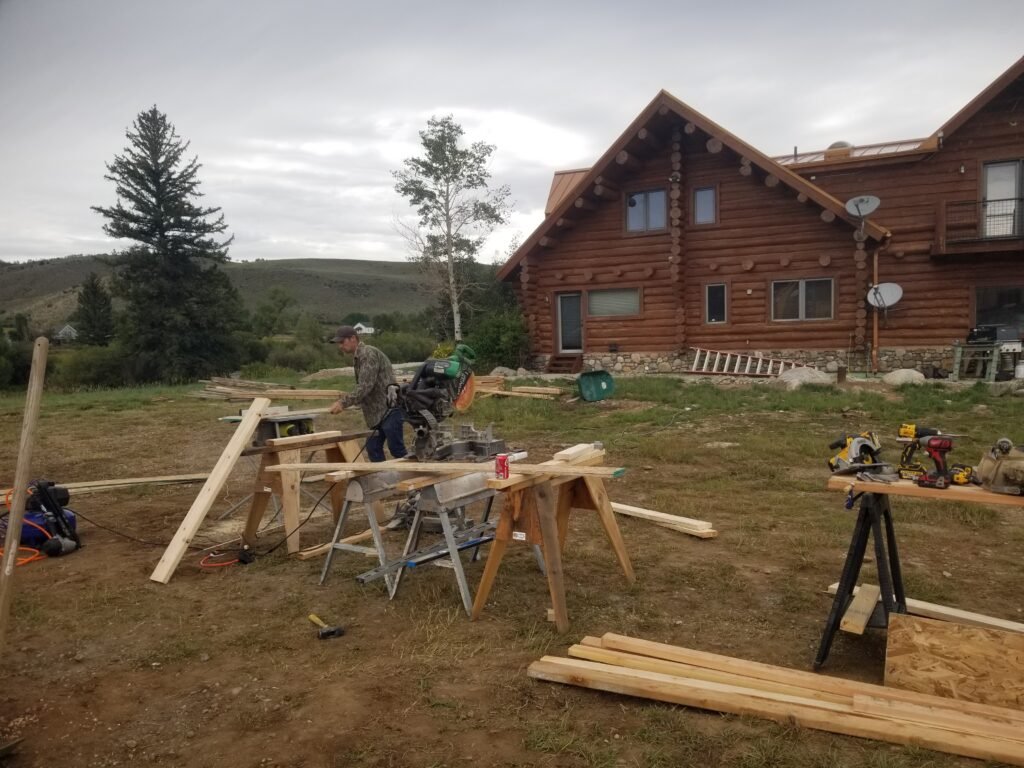
This gallery intentionally uses Sinrom-hosted project/jobsite photography rather than the Lincoln model-home marketing images from the existing page. Each image is clickable and leads to the project inquiry page.


Custom Log Homes Across Colorado Mountain Counties
The existing service information lists seven Colorado counties for custom log home work. Visitors can also use the internal Sinrom location links below for local service information.
Jefferson County +
Park County +
Summit County +
Gilpin County +
Eagle County +
Grant County +
Routt County +
Custom Log Home Questions
These answers are based on the scope and building information provided on Sinrom’s current custom log home page.
Can Sinrom build from plans I already have? +
What type of logs are described for the custom homes? +
Can Sinrom help beyond the basic log-home shell? +
Can Sinrom help if I still need to find land? +
Does Sinrom also restore existing log homes? +
Start Planning Your Colorado Log Home
Whether you already have land and blueprints or are just beginning to explore models and properties, tell Sinrom where you are in the process and what you want to build.
Request an Estimate
Tell us about your land, plans, preferred log home model, or custom-build goals.