

- March 4, 2026
- info@maptoppers.com
- 0
The Complete Denver Homebuyer Planning Guide (2026)
The Complete Denver Homebuyer Planning Guide (2026)

For many Denver homeowners, buying a new home isn’t just about the purchase — it’s about what has to happen first. Timing the sale of your current property often determines how competitive you can be in today’s market.
Yes, it’s a milestone. It’s building equity instead of paying rent. It’s finally having a place that feels permanent. But in 2026, buying a home in Denver is as much about strategy as it is about excitement.
If you’re stepping into Denver’s real estate market this year, you already know it’s competitive. The buyers who win aren’t the ones who simply fall in love with a house.
They’re the ones who structure their move correctly.
Preparation still matters. The right people still matter. But leverage matters more.
At We Buy Houses in Denver, we work with homeowners navigating this exact transition— selling in order to buy stronger. And if there’s one thing we’ve learned, it’s this:
The way you exit your current home determines how confidently you enter the next one.
That’s exactly what this guide is about.
What the Denver Real Estate Market Looks Like in 2026
Right away, there’s good news. Denver’s 2026 real estate market is no longer chaotic, but that doesn’t mean it isn’t competitive.
Inventory has improved compared to the extreme shortages of the past few years. Buyers have more options than they did during the peak frenzy, which creates breathing room.
Demand hasn’t disappeared, though.
Homes are still moving quickly, and if you’re a first-time home buyer, Denver isn’t going to hand you an easy win—especially in neighborhoods like Wash Park and Littleton.
Prices haven’t dropped, but they’ve stabilized, and that’s a big advantage if you’re planning to buy a home in Denver because it means that you actually have a good idea of what you’ll pay.
Sure, you’ll still need to account for shifting interest rates. But the days of watching a property jump tens of thousands in a week are largely behind us.
Let’s take a look at some of Denver’s housing market trends to understand how things are looking:
- If priced correctly, homes for sale in Denver sell faster than overreaching listings.
- Move-in-ready properties have the strongest offers.
- Buyers are negotiating more strategically than emotionally.
That last point matters.
The environment in 2026 favors informed buyers, not aggressive ones and definitely not impulsive ones. If you understand pricing, financing, and property conditions, you can move confidently. If you don’t, the market will feel unpredictable.
Decide If You’re Financially Ready
Before you start touring homes, there’s one question that matters more than anything else, and you need to answer it honestly:
Do you qualify, or can you actually buy comfortably?
When buying a home in Denver, both things are very different.
Lenders might tell you what you can borrow, but that doesn’t mean the number will make sense for your lifestyle. In 2026, the cost of buying a home in Denver often goes beyond the listing price, and you really want to keep this in mind to avoid becoming “house poor.”
Let’s start with the down payment.
Whether you’re putting down 3%, 10%, or 20%, that number affects your monthly payment, your interest cost over time, and how competitive your offer looks.
Next, let’s look at closing costs.
In Denver, buyers should expect additional expenses for lender fees, title work, insurance, inspections, and prepaid property taxes. It’s not unusual for closing costs to land between 2% and 5% of the purchase price.
First-time home buyers in Denver (and everywhere else, really) often overlook this, so you really want to include closing costs in your house-buying budget.
Then there’s maintenance.
Colorado homes deal with hail, snow loads, older roofs, shifting soil, and aging basements. Even well-maintained properties come with ongoing upkeep, so a healthy reserve fund gives you breathing room when something inevitably needs attention.
Here’s another factor to think about beyond Denver’s housing market trends:
If something changed—a job shift, an unexpected expense, a rate fluctuation—would you still feel stable? Can you still be able to pay your mortgage?
That’s not fear-based thinking. That’s smart planning.
If your numbers make sense, you’ll feel it. If they don’t, adjusting your timeline by a few months can strengthen your position significantly.
What about if you’re planning to use your current house’s equity to buy a new one? With the cost of buying a house in Denver being what it is, some homebuyers choose to sell their house to buy another one.
It’s a legitimate move, but it can be tricky, particularly if you don’t have an offer already lined up.
Buying Often Starts With Selling
For many homeowners, the path to buying a home in Denver begins with unlocking the equity in their current property.
- Equity creates leverage.
- Clean timelines strengthen offers.
- Contingent offers weaken negotiating power.
In today’s market, many buyers remove that contingency entirely by selling before entering the market. That shift alone can change how sellers respond to your offer.
If your next purchase depends on funds from your current home, clarity and timing are not optional, they’re strategic.
At We Buy Houses in Denver, we purchase directly with our own funds, which allows homeowners to convert equity into accessible capital on a predictable schedule. That flexibility gives buyers the ability to step into the market without uncertainty hanging over their offer.
This isn’t about pressure.
It’s about positioning.
Understanding Denver’s Homes
Scrolling through listings is easy. Understanding what you’re actually looking at is where most buyers get tripped up.
Homes for sale in Denver vary widely in age, condition, and long-term maintenance needs. You might tour two properties at the same price point and find that one needs almost nothing, while the other requires tens of thousands in updates..
What complicates things is that these differences aren’t always obvious in listing photos. That’s why you have to look beyond surface-level appeal.
Start with the age of the home.
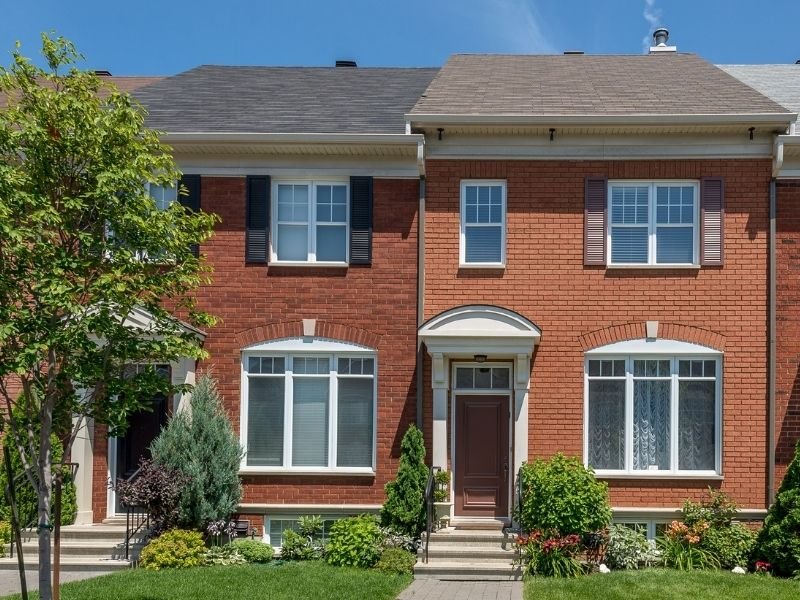
Denver has a large inventory of older properties, especially in established neighborhoods. Older homes often come with character, mature trees, and strong locations, but they may also come with aging plumbing, outdated electrical systems, or foundations that need monitoring.
None of that is automatically a deal breaker. But it does mean you need to factor in the possibility of larger repairs down the line.
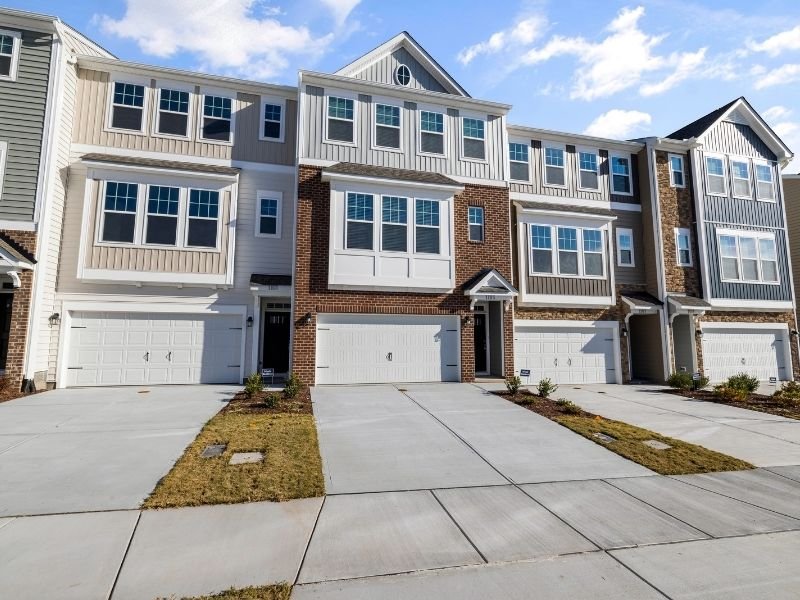
Newer homes, particularly in planned communities, often offer modern layouts and lower immediate maintenance. Still, newer doesn’t automatically mean flawless.
Construction quality varies, and due diligence matters just as much on a newer build as it does on a 1950s bungalow.
Then there’s the phrase buyers see constantly: “as-is.”
“As-is” doesn’t necessarily mean something is wrong. It usually means the seller isn’t planning to make repairs before closing. That shifts the responsibility to you to evaluate the condition carefully and negotiate accordingly.
When touring homes for sale in Denver, pay close attention to:
- Roof condition and prior hail damage
- Drainage and grading around the foundation
- Basement moisture or cracking
- HVAC age and overall performance
And never skip the inspection.
Buying a home in Denver isn’t effortless. But with preparation, due diligence, and patience, you’ll understand exactly what you’re walking into, and you can decide with confidence whether a property is right for you.
The buyers who feel good six months after closing are the ones who understood the home before signing.
You want to be one of them.
Your Expert Roadmap for Buying a Home in Denver
In Denver’s 2026 real estate market, you don’t win by moving fast, you win by moving deliberately. Once your numbers make sense and you understand what you’re looking at, you can move on to logistics.
Here’s what that process should look like.

Get Pre-Approved, Not Just Pre-Qualified
Pre-qualification gives you a rough estimate. Pre-approval goes through your verified income, credit, and financial documentation in order to give you a hard number. In a competitive market, that credibility matters.
If you’re a first-time home buyer, Denver lenders will walk you through this step, but don’t rush it. Compare options. Understand your rate scenarios. Ask what your payment looks like if rates shift slightly, and by all means, shop around.
Different lenders will have different offers, so don’t just commit to the first lender that gives you a yes.
Work With an Agent Who Explains the Numbers
You want someone who can explain pricing strategy, local comps, inspection leverage, and neighborhood differences clearly. The right agent won’t pressure you into stretching your budget just to win.
You’re looking for a partner, not someone chasing a commission.
Tour With an Inspection Mindset
It’s easy to fall in love with finishes. It’s harder—and more important—to notice the age of the roof, the slope of the yard, the condition of the windows, or subtle foundation cracks.
When you walk through a property, ask:
- How old is the roof?
- When was the HVAC replaced?
- Has the home experienced hail damage?
- Are there signs of water intrusion?
You’re not looking for perfection; well-loved homes will have signs of use, but you want transparency.
We’ve said this before, but we mean it: Hire a professional inspector. This is one expense that can save you tens of thousands of dollars. Skipping it to make an offer more attractive can cost far more than it saves.
Make a Realistic, Clean Offer
The strongest offers in Denver’s 2026 real estate market aren’t emotional, they’re structured.
In competitive pockets of Denver, contingent offers are often the weakest at the table. Sellers prefer buyers who already have funds secured and timelines controlled.
- If you’re paying cash, your leverage is speed and simplicity.
- If you’re financing, your leverage is preparation and credibility.
- If your purchase depends on selling your current home, your leverage depends entirely on whether that sale is settled.
That’s why many homeowners choose to simplify the process by selling first, converting their equity into accessible capital, and entering the market with stronger negotiating power.
When your funds are already secured, you negotiate differently, move differently, and win in ways other weren’t expecting.
At We Buy Houses in Denver, we offer a direct purchase option for homeowners who want predictable timing and immediate liquidity before competing. That removes a major layer of uncertainty from the offer process.
Buying a house in Denver isn’t about luck.
It’s about leverage.
Prepare for Inspection Negotiations
After inspection (which you should never skip), there may be repair requests, credits, or decisions about how much risk you’re willing to absorb. This is where preparation actually pays off.
Let’s say the inspection shows the roof has about five years left.
A full roof replacement in Denver can easily run $15,000 to $25,000 depending on size and material. That’s not a cosmetic issue. That’s a major capital expense that’s going to impact not only your budget but also the house’s entire condition.
Now you have options:
- Ask for a price reduction that reflects the shortened roof lifespan.
- Request a seller credit at closing to offset future replacement costs.
- Or decide the home is priced fairly even with that consideration.
Preparation means you’ve already considered these possibilities before you fell in love with the house, so when the inspection report arrives, you’re prepared to make the most of it.
The Buyers Who Win Plan Their Exit First
In 2026, buying a home in Denver isn’t just about finding the right house. It’s about controlling your position before you ever submit an offer.
We’ve seen it over and over again. The buyers who feel confident at closing are the ones who handled their transition early. They secured their equity. They removed uncertainty. They entered the market with clarity instead of contingencies.
- Clean offers win.
- Liquidity negotiates better.
- Certainty changes conversations.
When your funds are already secured, you don’t compete from pressure. You compete from strength.
That’s the difference.

Structure the Move Before You Make It
At We Buy Houses in Denver, we work with homeowners who understand that timing matters. Some need flexibility. Some need speed. Some need predictability before stepping into Denver’s competitive market.
We purchase directly with our own funds. No listing prep, no showings, no repair demands, no waiting on buyer financing. Just a clear, predictable closing that allows you to convert your equity into immediate buying power.
If your next move depends on equity, timing, or removing contingencies, call us at 720.738.6020 and let’s talk about how to position it strategically.
FAQ's
Do I need to fix everything before selling my current home?
No. At We Buy Houses in Denver, we buy as-is. That means you don’t need to replace the roof, update the kitchen, or handle cosmetic repairs just to make a move.
Can I choose my closing date if I sell directly?
Yes, you can. When buying a property, we work with you to set the closing timeline around your needs, not ours.
Is it risky to buy and sell at the same time?
It can be, but mostly because it takes some extra work as you’re coordinating two different transactions, but at We Buy Houses in Denver, we make sure to make the house-selling process as simple as possible so you can focus on buying.
How do I avoid overpaying?
You avoid overpaying by understanding comparable sales, property conditions, and long-term repair costs before writing an offer. Emotions inflate prices, so you want to avoid basing your decisions on them.
What’s the biggest mistake buyers make when buying a house in Denver?
Making decisions under pressure. Whether that’s stretching financially, skipping inspection protections, or rushing timing, pressure can lead to expensive mistakes.