
- March 5, 2026
- info@maptoppers.com
- 0
Snowmelt Systems & Cold-Weather Performance for Mountain Properties
Snowmelt Systems & Cold-Weather Performance for Mountain Properties
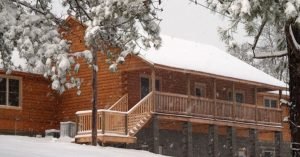
Snowmelt systems for mountain homes aren’t luxury upgrades; they’re the kind of add-on that, once you have it, you wonder why you didn’t have it before.
At Sinrom Construction, we’ve worked on enough mountain homes to know that snow shoveling can get old fast, which is why when it comes to mountain property snow removal solutions, we always hype this one up.
Heated Driveways vs. Traditional Snow Removal
When contemplating a snowmelt system installation, there might be a small voice asking what’s the point when a shovel has worked just fine until now. Well, there’s a big difference between prevention and reaction.
Shoveling
- Labor-heavy and time-consuming
- Risky on steep or icy grades
- Snow refreezes quickly in shaded areas
- A daily thing some seasons
Plowing
- Dependent on timing and road access
- Scrapes and damages surfaces
- Creates snow piles that block drainage
- Not always convenient for remote homes
Salt or chemical treatments
- Ongoing costs
- Concrete and paver deterioration
- Landscaping impact
Hydronic Snowmelt Systems
- Activate automatically
- No scraping or surface damage
- Reduce ice bonding before it becomes hazardous
- Consistent access during active snowfall
For many homeowners, snow removal starts and ends with shoveling, maybe even plowing, but in the long term, automated snowmelt systems offer a more controlled, predictable, and easier approach to winter access.
Are Snowmelt Systems Really Worth It?
If you’ve ever chipped ice off a driveway in February, you already know the answer.
Beyond convenience, and they sure are convenient, snowmelt systems for mountain homes are just plain safer. They reduce slip-and-fall risks, limit surface damage from chemicals, and protect your entry points during heavy storms.
They also make aging in place far more realistic, and isn’t that one of the goals of living in a beautiful area away from all the noise in the city?
Snowmelt system maintenance is easy to learn, and if you don’t want to do it yourself, you can always count on us, Sinrom Construction, to do it for you, and if you’re worried about long-term costs, don’t be.
Snowmelt systems are energy-efficient, and if you’re already warming your house with radiant heating, then you already know what to expect because, really, snowmelt systems are pretty much the same thing, but for your car.
Built for Real Winters
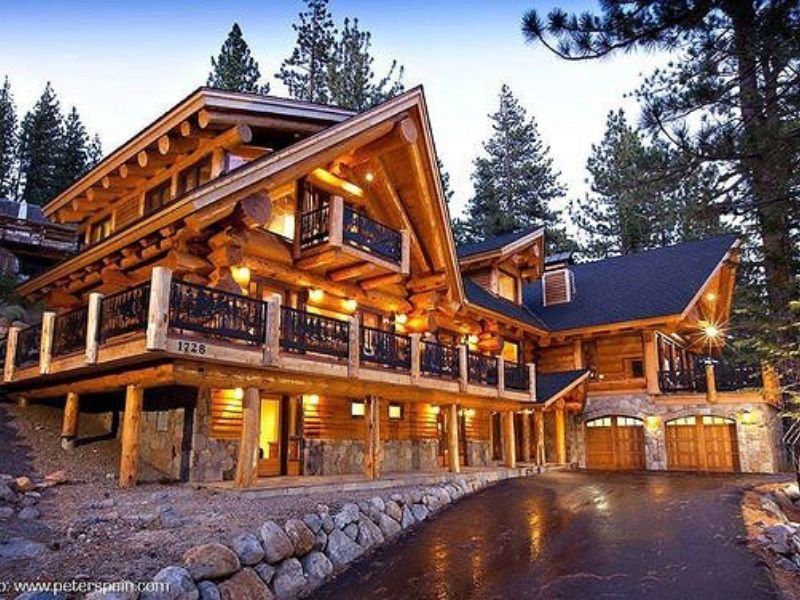
When designed correctly, snowmelt systems for mountain homes are incredibly reliable. They keep driveways clear, protect your family, and give you steady access even when it snows all night long.
At Sinrom Construction, we build and design for elevation, grade, and real Colorado winters, so if you’re looking for your next driveway update, let’s talk!
Call us at 970.389.2501 or reach out online so we can discuss your options.
FAQ's
How long does it take to install a snowmelt system?
If the driveway’s already poured, we’re usually cutting, trenching, and repouring sections, so it’s not a one-afternoon project. Depending on size and weather, plan for several days. If we’re doing it during new construction, it’s much simpler.
Can snowmelt systems be installed under pavers or stamped concrete?
Yes, and we do it all the time. The key is planning it before the finish surface goes down.
Will a snowmelt system handle extremely heavy storms?
They’re built for real storms, not just a light dusting. That said, the goal isn’t always bare, bone-dry concrete during a blizzard. It’s preventing snow from bonding and turning into solid ice.
Does a snowmelt system increase home resale value?
Up here? Absolutely. Buyers understand steep driveways and shaded north slopes. When they see a built-in system that keeps access clear in January, they know what that’s worth.
Can snowmelt systems be added to walkways and entry stairs too?
Yes, and honestly, those areas are often more important than the driveway. Front steps, garage aprons, and walkways are where slips happen first. If we’re already installing a system, extending it to high-traffic areas just makes sense.