
- cstanescu7@gmail.com
- 970-389-2501
- Opening Time : 8AM - 5PM | Mon-Fri
What Is Hydronics?
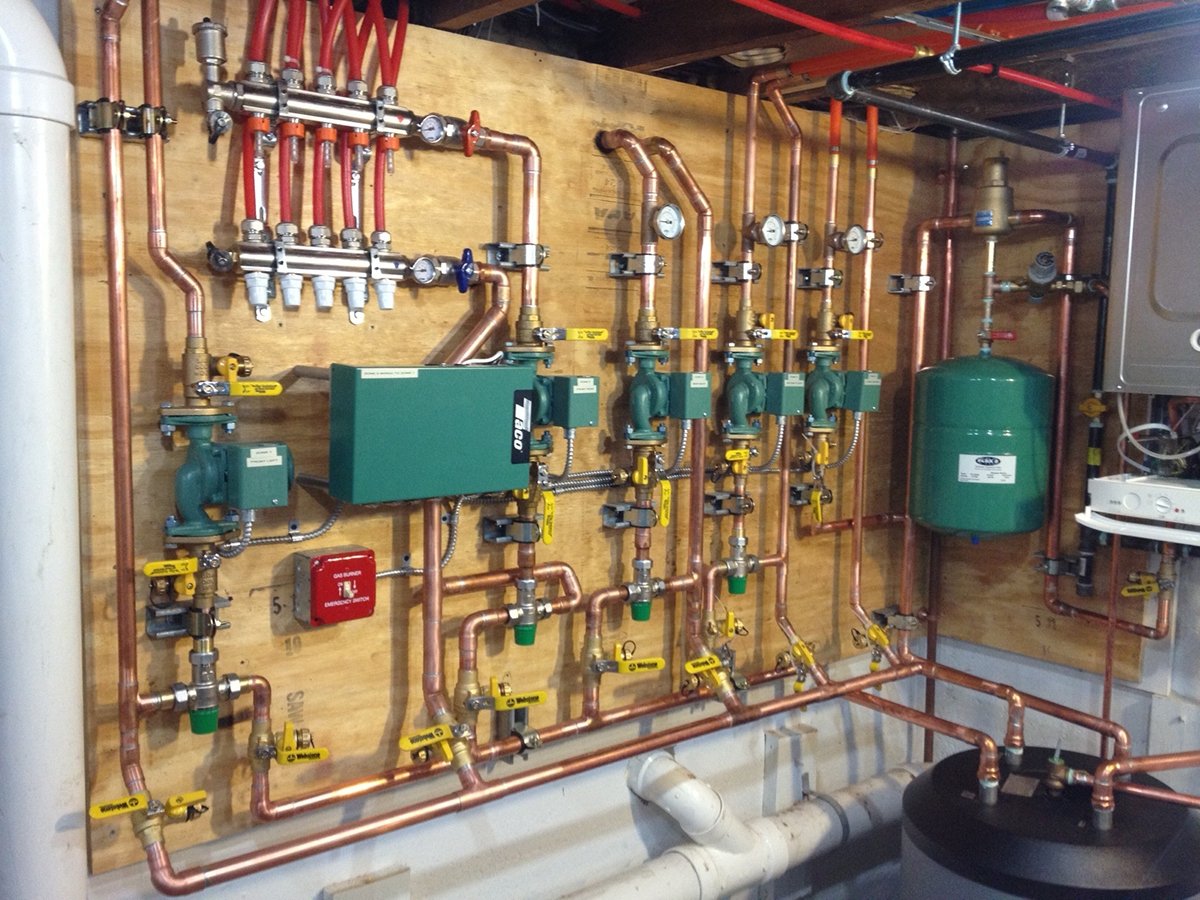
Hydronics, in simple terms, refers to a central heating system that utilizes hot water to heat your home. It is the most comfortable, versatile, economical and effective heating option available.
These systems are used extensively in Europe where the high cost and limited availability of fuel require homeowners to seek the most economical and effective heating options. The installation of hydronic heating systems is increasing dramatically in North America, as homeowners here realize how comfortable and cost-efficient they can be.
How it works
An efficient gas boiler is used to heat water, which is an excellent conductor of heat. The heated water is circulated throughout the home using your choice of underfloor tubing, slim baseboard radiators, or decorative wall panels that deliver the heat evenly to each room in your home. The water is then returned to the boiler to be re-heated and re-circulated. Because of its physical properties, water releases heat gradually when passed through the radiator in each room. This creates a very comfortable living environment where heat distribution is even and controllable, as there are no fans blowing high volumes of air creating hot and cold spots.
The water loses only a fraction of its warmth as it travels throughout your home, and requires less fuel to reheat it to circulation temperature. With a hydronic system you’ll reduce your fuel consumption by up to 40 per cent. Weather responsive controls, computer sensors and individual room thermostats ensure that your system operates efficiently and provides you with warmth and comfort unmatched by conventional furnaces.
Hydronics offers a number of unique benefits
The same boiler that heats your home can also meet all your family’s domestic hot water requirements. The boiler with tank less coils can accommodate a wide range of domestic hot water needs, from single-family dwellings to various commercial and industrial applications. Optional high-efficiency water heating systems are available for applications that require unusually large amounts of hot water, such as hot tubs and whirlpools. The noiseless operation, underfloor tubes, slim radiators and compact boilers mean the only things you’ll notice about your hydronic system are the comfort and cost savings.
No chimney
Today’s advanced heating equipment is designed to operate with a conventional chimney, or a sidewall venter. Sidewall venting utilizes a quiet mechanical fan to vent the combustion gasses through any convenient exterior wall. These vents provide extremely quiet and reliable operation for years of heating comfort. Sidewall venting is becoming more popular due to its cost savings and installation flexibility.
What is heat loss and how do I prevent it?
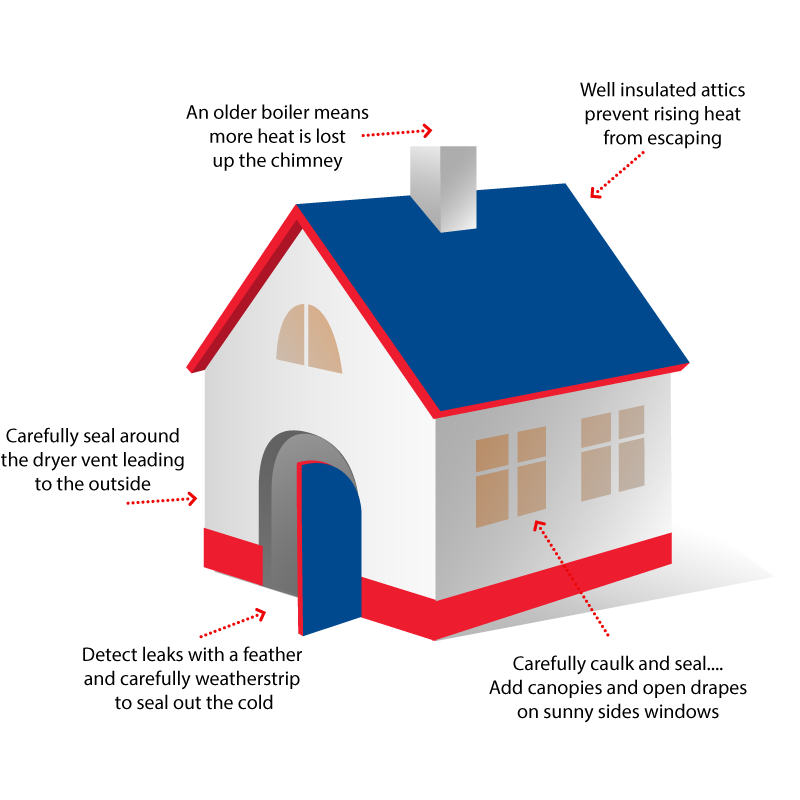
Heat loss is the natural tendency of heat to escape from an area of warmth (such as your home) to an area of cold. Heat loss is determined by your home’s construction and the amount of insulation used. Increasing insulation and reducing air leaks throughout the home are the most significant steps you can take to reduce your heating costs.
Did you know that on average a single family home can lose as much as 25 per cent of its heat through air leaks? Your consultant can help develop a detailed heat loss analysis of your home to detect key areas where overall efficiency can be increased by reducing heat losses.
Steady State Efficiency
Steady State Efficiency is the term used to measure how much of the fuel you burn is converted into heat for your home. A modern boiler should provide Steady State Efficiencies in the range of 85 to 90 per cent. Older boilers and furnaces may only provide 60 to 70 per cent efficiencies from the fuel. Steady State Efficiency ratings are tested and maintained according to regulatory agencies.
Home Heating Solutions
A new home heating system is a decision you will live with for a very long time. When considering the price options of the equipment, also review the energy and cost savings it provides.
Like cars, boilers need annual servicing to ensure they are running efficiently and safely. A well maintained boiler will not only save you money on your heating bills but is less likely to break down.
Sinrom Construction offers high quality, low maintenance equipment, & our Rinnai tank less, efficient domestic hot water coil system eliminates the cost, space and inefficiencies of a separate hot water heater.
What to look for:
- Efficiency: The higher the proven efficiency, the more you save.
- Compact: Modern boilers will take up less room in your mechanical room.
- Fuel burner: Natural Gas, Propane.
- Manufacturer: You should receive the information, warranties, and customer service you expect.
- Controllability: Is the boiler or tank less hot water heater equipped with energy-saving features such as outdoor temperature reset and night setback?
- Industry support: Do they provide technical training to contractors and show leadership in research and development?
- Flexibility: Is your boiler certified for sidewall venting, and can it be mounted on combustible surfaces?
Rinnai Tankless Hot Water Heaters
Virtually limitless domestic hot water
Tank less hot water heaters provide domestic hot water more efficiently than any available separate hot water heaters.
This results in energy savings without the additional capital cost and space for a separate hot water heater. By combining heating loads such as heating and domestic hot water, you effectively reduce the amount of off-cycle losses, thus increasing the system’s overall efficiency.